


Botox is best known for smoothing wrinkles and fine lines, but its cosmetic uses extend beyond treating expression lines. Depending on where it is injected and which muscles it targets, Botox may also create a subtle brow lift, refine certain facial contours, and address other concerns related to muscle activity.
The results depend on your facial anatomy, muscle movement, and treatment goals. Understanding the potential benefits of Botox and the areas commonly treated can help you determine which concerns may be appropriate for this type of treatment.
Below, we’ll cover what Botox does, where it is commonly injected on the face, and how it can address wrinkles, brows, facial contours, and other cosmetic concerns. Learn more about Botox treatments at New Beauty & Wellness.
The Benefits of Botox for the Face
Botox is most commonly used to soften the appearance of wrinkles caused by repeated muscle movement. By temporarily reducing activity in targeted muscles, Botox can make certain expression lines less noticeable while preserving natural facial movement when administered appropriately.
Depending on the treatment area and the individual’s facial anatomy, Botox may also be used for other cosmetic goals, including subtle changes to the brows and facial contours.
Reduces the Appearance of Expression Lines
Botox is commonly used to treat forehead lines, frown lines between the eyebrows, and crow’s feet around the eyes. These lines come from repeated muscle movement, so reducing activity in the targeted muscles can soften their appearance.
Creates a Smoother Appearance
By softening expression lines, Botox can create a smoother, more refreshed appearance. The goal is not necessarily to eliminate every line, but to reduce the appearance of lines while maintaining a natural-looking expression.
Creates a Subtle Brow Lift
Strategic Botox placement can sometimes create a subtle lifting effect in the brow area. This works by changing the balance of muscle activity around the brows rather than physically lifting the skin.
Can Refine Certain Facial Contours
Botox can be used in specific areas to alter the appearance of facial contours. For example, reducing activity in the masseter muscles may make a wide or prominent lower face appear slimmer, while other injection patterns may create greater definition along the jawline.
May Improve the Appearance of Certain Asymmetries
Differences in muscle activity can contribute to some facial asymmetries. In appropriate cases, Botox can be strategically placed to create greater visual balance between the two sides of the face.
What Is Botox and How Does It Work?
Botox is a neuromodulator made from a purified form of botulinum toxin. It has been used medically for decades and is widely used for cosmetic treatment. Botox Cosmetic is FDA-approved to temporarily improve moderate to severe frown lines between the brows, crow’s feet, forehead lines, and vertical neck bands.
Botox temporarily reduces the nerve signals that tell targeted muscles to contract. Facial expressions such as frowning, squinting, and raising the eyebrows repeatedly engage these muscles. Over time, repeated movement can contribute to dynamic wrinkles, or lines that become more noticeable with facial expression.
When Botox is injected into specific muscles, it reduces their activity. As those muscles move less, the associated expression lines can soften. The result is typically a smoother, more refreshed appearance while retaining natural facial expression when treatment is dosed and placed appropriately.
Botox is temporary. Results develop over the days following treatment and gradually wear off as muscle activity returns, so maintenance treatments are needed to sustain the effect.
Common Botox Treatment Areas on the Face
| Treatment Area | Common Cosmetic Concern |
|---|---|
| Forehead | Horizontal forehead lines |
| Between the brows (glabella) | Vertical frown lines |
| Outer corners of the eyes | Crow’s feet |
| Brow area | Subtle brow lift |
| Sides of the nose | Bunny lines |
| Upper lip | Lip flip, gummy smile, lip lines |
| Corners of the mouth | Downturned corners |
| Chin | Chin dimpling or “orange peel” texture |
| Jaw (masseter) | Facial slimming and jaw muscle prominence |
Botox for Facial Contouring
Botox can create a slimmer lower face when prominent masseter muscles contribute to facial width. The masseter muscles are located along the sides of the jaw and play an important role in chewing and jaw movement. When Botox is injected into these muscles, it temporarily reduces their activity. Over time, this may reduce muscle prominence and create a more tapered appearance.
This treatment is sometimes called masseter Botox or facial slimming Botox. It works best when muscle size contributes to a wider jaw. Botox will not reduce facial width caused primarily by bone structure or soft tissue.
Botox for Brow Lift
A Botox brow lift uses strategic injections to temporarily change the balance of muscle activity around the eyebrows. Certain muscles pull the brows downward, while others help elevate them. Reducing activity in selected muscles can allow the brow to sit slightly higher, creating a more open or lifted appearance.
The effect is generally subtle, not equivalent to a surgical brow lift. Treatment placement and dosage are important because the muscles around the eyes and forehead work together to control brow position and facial expression.
Improving Facial Asymmetry with Botox
Differences in muscle activity can contribute to facial asymmetry, particularly when the two sides of the face move differently during expression. In selected cases, Botox can be strategically injected to reduce muscle activity on one side and create a more balanced appearance.
The goal is not necessarily to make both sides of the face identical. Some degree of natural asymmetry is normal, and whether Botox can help with facial balancing depends on what is contributing to the difference. An individualized assessment can determine whether muscle activity is an appropriate target.
Botox Lip Flip
A Botox lip flip uses small amounts of Botox around the upper lip to temporarily relax the muscles that pull the lip inward. As the muscle relaxes, more of the upper lip may become visible, creating the appearance of a slightly fuller lip without adding volume.
A lip flip is different from lip filler. Filler adds volume to the lips, while a lip flip changes how the existing lip sits and moves. Botox may also be used around the mouth to address certain lip lines or, in some cases, reduce the amount of upper gum that shows when smiling.
Because the treatment uses a small amount of Botox, the effect is generally subtle and temporary.
Botox for Chin Dimpling
Botox can soften a dimpled or “orange peel” appearance on the chin when muscle activity contributes to uneven texture. The mentalis muscle in the chin can create dimpling when it contracts. Strategically placed Botox temporarily reduces that muscle activity, which may leave the chin looking smoother.
This treatment is most relevant when muscle movement is contributing to the texture. Other causes of uneven skin, such as scarring or changes in skin quality, may not respond to Botox in the same way.
Botox for TMJ and Other Conditions
Botox is also used for purposes beyond facial aesthetics, including certain medical conditions. For example, Botox may be used in the masseter muscles in some patients with jaw clenching or grinding. It is also FDA-approved for chronic migraine and several other medical indications.
These treatments involve different considerations than cosmetic Botox, including the treatment area, dosing, and clinical goals. If jaw pain, headaches, or other symptoms are the primary concern, an appropriate medical or dental professional can evaluate you to determine the underlying cause and whether Botox is appropriate.
Will Botox Look Natural?
When administered with appropriate dosing and placement, Botox can soften the appearance of wrinkles while allowing you to maintain natural facial expression. The goal is not to eliminate all movement, but to reduce targeted muscle activity enough to address the specific concerns being treated.
Because Botox is technique-sensitive, treatment planning, injection placement, and the amount used can all influence the result. Facial anatomy and muscle activity also vary from person to person, so no single injection pattern or dose produces the same result for everyone.
When choosing a provider, look for a licensed medical professional with experience performing injectable treatments and ask to see before-and-after photos of their work. This can give you a better sense of their approach to achieving natural-looking results.
Who Is a Good Candidate for Botox?
Botox may be appropriate for adults who want to address wrinkles or other concerns related to muscle activity. The right treatment areas depend on your facial anatomy, muscle movement, and goals, not age alone.
Some people seek Botox to soften early expression lines, while others are more concerned with established wrinkles, brow position, facial contours, or other areas where muscle activity contributes to their appearance. Botox may also treat certain functional concerns, such as jaw clenching, depending on the individual and the provider’s assessment.
Risks and Side Effects
Botox is generally well tolerated, but temporary side effects can occur. These may include redness, swelling, bruising, tenderness, headache, or temporary eyelid or brow drooping, depending on the treatment area.
More serious reactions are uncommon. The FDA also warns about the potential for the effects of botulinum toxin to spread beyond the injection site, which can cause symptoms such as generalized muscle weakness, difficulty swallowing, or difficulty breathing. Seek medical attention if you experience concerning or severe symptoms after treatment.
Because Botox is a medical treatment, it should be administered by a qualified, licensed medical professional who understands facial anatomy and appropriate injection techniques.
Recovery and Aftercare
Most people can return to their usual activities soon after treatment. Mild redness, swelling, tenderness, or bruising around the injection sites can occur, but these effects generally resolve on their own.
Your provider may recommend avoiding rubbing or massaging the treated areas immediately after treatment. Follow the specific aftercare instructions you receive, since recommendations can vary by area treated and by the provider’s technique.
Downtime is generally minimal, but it can take several days for the effects to become noticeable. Your provider can also tell you when to resume specific activities based on your treatment.
When Will You See Results and How Long Do They Last?
Botox does not take effect immediately. Muscle activity gradually decreases after treatment, and visible results typically develop over the following days. Duration varies by individual, treatment area, dose, and other factors.
For many people, results last around three to four months, although some may notice effects for a shorter or longer period. Repeated treatments may also affect how long results are maintained over time.
How long results last can vary by treatment area and from person to person. Your provider can give you a better idea of what to expect based on the areas being treated and your previous response to treatment.
If you’re comparing different neuromodulators and how long their effects may last, see our guide to Daxxify vs. Botox.
Frequently Asked Questions
What is Botox made of?
Botox is made from a purified form of botulinum toxin. It works as a neuromodulator by temporarily reducing activity in targeted muscles, which can soften the appearance of certain expression lines.
Where can Botox be injected on the face?
Common treatment areas include the forehead, between the brows, crow’s feet, brow area, nose, upper lip, corners of the mouth, chin, and masseter muscles along the jaw. The appropriate areas depend on your facial anatomy and treatment goals.
How long does Botox last?
Botox results typically last around three to four months, although the duration can vary based on the treatment area, dose, and individual response.
How soon will I see Botox results?
Botox results develop gradually rather than appearing immediately. Some changes may be noticeable within several days, with the full effect generally assessed around two weeks after treatment.
Is Botox safe?
Botox has been extensively studied and is FDA-approved for several cosmetic and medical uses. Like any medical treatment, it has potential risks and side effects. A qualified medical professional should perform the treatment, assess your medical history, and determine whether Botox is appropriate for you.
What Happens If You Stop Using Botox?
Stopping Botox does not make your skin dependent on the treatment or worsen your wrinkles. As the effects gradually wear off, muscle activity returns and the lines Botox was treating will gradually become visible again.
Try Botox for the Face in Westport & New Canaan
Botox injections are the ideal solution if you want to slim and contour your appearance or smooth your skin by reducing fine lines and wrinkles. Learn more about tailored Botox treatments by contacting New Beauty and Wellness. Book your consultation today!
By submitting this form, I consent to be contacted by New Beauty & Wellness via phone, text, email, or mail. Message and data rates may apply. Consent is not a condition of purchase. I acknowledge the Privacy Policy. Reply STOP to opt out.
SOURCES:
1. Duration of Clinical Efficacy of OnabotulinumtoxinA in Crow’s Feet Lines: Results from Two Multicenter, Randomized, Controlled Trials. Dermatologic Surgery. 2016.
2. Botulinum toxin: examining duration of effect in facial aesthetic applications. American Journal of Clinical Dermatology. 2010.
3. The Treatment of Facial Asymmetry with Botulinum Toxin: Current Concepts, Guidelines, and Future Trends. Indian Journal of Plastic Surgery. 2020.
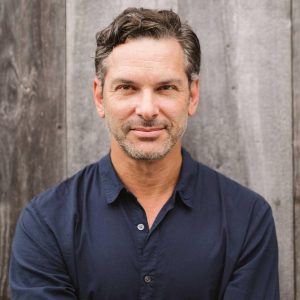
About the Author
I’m Dr. Keith Attkiss, a Board-Certified Plastic Surgeon and Medical Director, recognized by my peers as a Castle Connolly Top Doctor in the New York Metro Area from 2007-2024. I graduated cum laude from Harvard College and received my medical degree from Columbia College of Physicians and Surgeons. My advanced training includes a fellowship in Hand and Microvascular Surgery at the prestigious Buncke Clinic in San Francisco, followed by completing my Plastic and Reconstructive Surgery training at Yale New Haven Medical Center. As a Diplomate of the American Board of Plastic Surgery, Inc. and co-chairman of the Division of Plastic Surgery at Greenwich Hospital, I bring decades of expertise and precision to every procedure I perform.