


As we age, it’s natural to notice changes like hollow cheeks, thinning lips, reduced skin firmness, or a loss of facial definition. Injectable treatments can help address these concerns, but many people aren’t sure whether biostimulators or dermal fillers are the better choice. While both are used for facial rejuvenation, they work in very different ways and are designed to achieve different outcomes.
Dermal fillers provide immediate volume and contour, while biostimulators encourage your body’s natural collagen production for gradual improvements in skin quality and structural support. Understanding these differences is key to choosing the treatment that best aligns with your aesthetic goals, whether you’re looking to restore lost volume, improve skin firmness, or achieve a more comprehensive approach to healthy aging.
In this guide, we’ll explain how biostimulators and dermal fillers work, the concerns each treatment is designed to address, and why some patients benefit from combining both as part of a personalized facial rejuvenation plan. At New Beauty & Wellness, our providers help patients in Westport and New Canaan choose treatments that enhance their natural features while supporting long-term, natural-looking results.
Quick Comparison: Biostimulators vs. Dermal Fillers Side-by-Side
For those exploring injectable treatment options, a quick visual comparison can be especially helpful.
| Feature | Biostimulators | Dermal Fillers |
|---|---|---|
| Primary Purpose | Stimulate natural collagen production | Restore lost volume, enhance contours |
| Results | Develop gradually over several months | Typically visible immediately |
| Best For | Improving skin quality and firmness | Restoring facial volume, shaping features |
| Treatment Philosophy | Regenerative aesthetics | Structural enhancement |
| Can They Be Combined? | Yes, often as part of a personalized treatment plan | Yes, often complements collagen-stimulating treatments |
This table offers a high-level overview, but the details behind how these treatments work and what they can achieve warrant a closer look.
Understanding the Nuances of Facial Aging and How Treatments Respond
Facial aging is not the result of a single process. It unfolds due to a combination of factors that affect different layers of the face over time, such as:
- Collagen loss: Collagen is a structural protein that helps maintain skin’s firmness and elasticity. As our natural collagen production declines with age, skin may appear thinner, less resilient, and more prone to wrinkles.
- Volume loss: Underlying facial fat pads gradually diminish and shift, leading to hollowed cheeks, temples, and under-eye areas. This can also result in a more tired or sunken appearance.
- Skin laxity: The skin’s ability to snap back after movement decreases, causing sagging and jowling, especially along the jawline and lower face.
- Changes in facial structure: Bone resorption and tissue redistribution can subtly alter facial contours, shifting proportions and balance.
Because these changes occur at different depths and affect various tissues, a single treatment type rarely addresses all concerns. Instead, a personalized approach, sometimes involving both collagen-stimulating injectables (biostimulators) and traditional dermal filler treatment, is often best suited for achieving healthy aging and natural-looking results.
What Are Dermal Fillers? Your Solution for Immediate Volume and Contour
Dermal fillers are among the most requested injectable treatments for facial rejuvenation. These gel-like substances are carefully injected beneath the skin to restore lost volume, smooth away static wrinkles, and contour facial features for a refreshed, balanced appearance.
How Dermal Filler Treatment Works for Optimal Facial Balancing
Dermal fillers are formulated to mimic the body’s own supportive substances, such as hyaluronic acid. When injected, they physically occupy space beneath the skin, immediately restoring fullness to areas affected by facial volume loss. Strategic placement of dermal fillers can lift, contour, and balance features, making them a powerful tool for facial balancing and artistic enhancement.
Common Treatment Areas for Dermal Filler Enhancement
Fillers are versatile and can be used to address a range of aesthetic goals. Common treatment areas include:
- Cheeks: Restoring high, youthful cheekbones and correcting midface flattening.
- Lips: Enhancing lip shape, definition, and hydration, or restoring volume lost with age.
- Jawline: Creating a more defined jaw and reducing the appearance of jowls.
- Chin: Improving profile balance or correcting a recessed chin.
- Under eyes: Minimizing hollows and dark circles for a less tired appearance.
How Long Do Your Dermal Filler Results Typically Last?
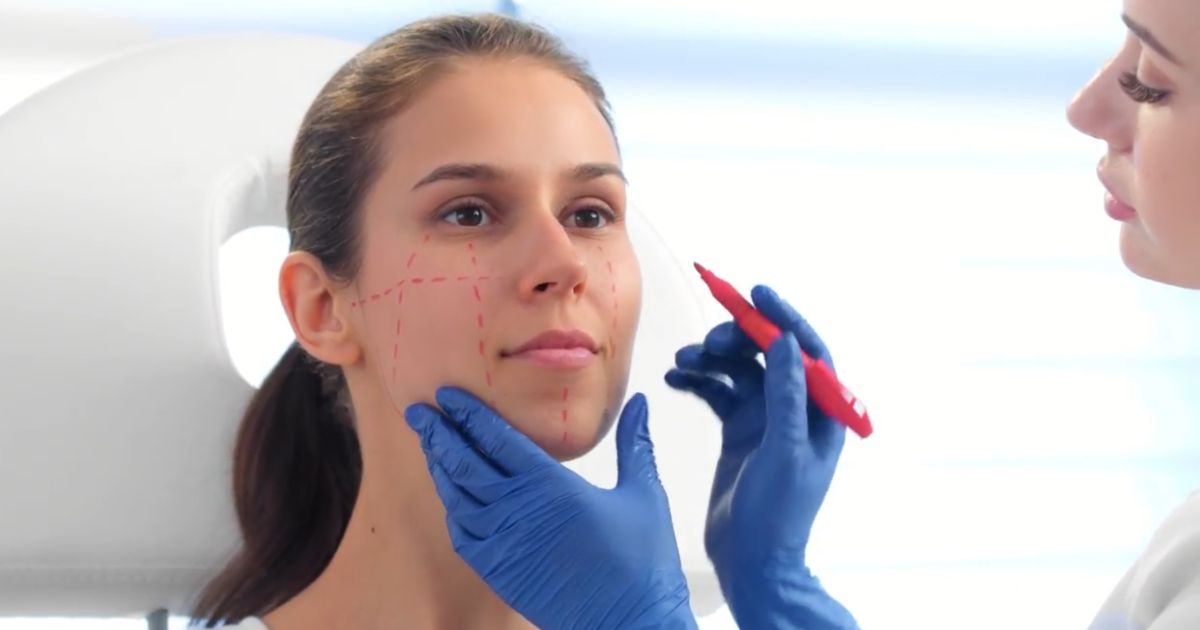
Dermal filler treatment results are visible right away, offering immediate gratification for those seeking quick improvements. Depending on the specific filler used, its placement, and your individual metabolism, results may last from 6 months up to 2 years. Maintenance sessions are recommended to sustain optimal facial balancing and support ongoing healthy aging.
What Are Biostimulators?
Unlike dermal fillers, which restore volume immediately, biostimulators work by encouraging your body’s natural collagen production over time. Often referred to as collagen stimulators or regenerative injectables, these treatments help strengthen the skin’s underlying support structure rather than simply replacing lost volume. As collagen production gradually declines with age, biostimulators offer a way to improve skin quality from within for subtle, natural-looking rejuvenation.
How Biostimulators Support Natural Collagen Production
Biostimulators contain ingredients that stimulate your body’s natural healing response, encouraging new collagen production in the treated areas. Over time, this process helps improve skin firmness, elasticity, and structural support while enhancing overall skin quality. Because these changes develop gradually, results appear more progressively than they do with traditional dermal fillers.
This regenerative approach is one reason biostimulators have become increasingly popular. Rather than focusing solely on replacing what’s been lost, regenerative aesthetics aims to support the body’s own ability to rebuild and maintain healthier, more resilient skin.
What Concerns Can Biostimulators Address?
Biostimulators are often recommended for patients looking to improve overall skin quality rather than make immediate structural changes. They may be used to:
- Improve skin firmness and elasticity
- Soften the appearance of fine lines and crepey skin
- Address age-related collagen loss
- Enhance overall skin texture and resilience
- Create gradual, natural-looking rejuvenation
Because results develop over time, biostimulators are often a good option for patients who prefer subtle improvements that evolve gradually. They can also be incorporated into a personalized treatment plan alongside other injectable treatments when appropriate.
When You Can Expect to See Your Biostimulator Results
Unlike dermal fillers, the effects of biostimulator treatment unfold gradually as new collagen is generated. Most patients begin to notice improvements in skin quality within 4 to 8 weeks, with full results developing over several months. This timeline aligns with the body’s natural collagen-building process and leads to changes that look and feel authentic.
How Long Do Biostimulator Results Persist for Healthy Aging?
Because biostimulators rejuvenate the skin from within, their benefits can persist for a year or more. The longevity of results varies based on the product used, treatment area, and individual factors such as age, lifestyle, and skin health. Some individuals may notice improvements lasting up to 2 years, with occasional maintenance sessions recommended to sustain results.
Biostimulators vs. Dermal Fillers: Understanding the Core Differences
Choosing between biostimulators vs dermal fillers is not about deciding which is “better”, it’s about selecting the right tool for your unique goals, anatomy, and preferences. Below, we explore the most important differences to consider when evaluating these facial rejuvenation treatments.
How They Work: Volume Replacement vs. Collagen Stimulation
- Dermal fillers: Add volume directly by injecting a gel-like substance beneath the skin. They physically fill hollows, contour the face, and lift sagging tissues.
- Biostimulators: Trigger the body’s regenerative processes, prompting the skin to gradually build more collagen and elastin for improved firmness and structure.
When You’ll See Results: Immediate Gratification vs. Gradual Beauty
- Dermal fillers: Results are visible immediately after treatment, making them ideal for those seeking instant enhancement or correction.
- Biostimulators: Changes develop slowly as collagen production ramps up, with full effects revealed over weeks to months. This approach supports subtle, natural-looking rejuvenation.
What Concerns They Treat: Targeting Volume, Contour, Skin Firmness, and More
Dermal fillers: Best suited for restoring specific facial volume, enhancing contours (cheeks, lips, jawline), and correcting moderate to deep wrinkles.
Biostimulators: Excel at improving skin firmness, smoothing fine lines, and addressing widespread collagen decline that contributes to overall skin laxity and quality.
How Long Results Typically Last for Each Injectable Treatment
- Dermal fillers: Most commonly last 6 to 18 months, depending on the type and location. Regular touch-ups help maintain results.
- Biostimulators: May provide benefits for 1 to 2 years as new collagen remains in the skin, with maintenance sessions supporting ongoing healthy aging.
Can Biostimulators and Fillers Be Used Together?
Many patients benefit from a combination of biostimulators and dermal fillers, as these treatments work at different depths and address complementary aspects of facial aging. This technique is often referred to as a layered or blended approach, optimizing both immediate and long-term results.
Which Injectable Treatment Is Right for Your Aesthetic Goals?
Determining the best option between biostimulators vs fillers depends on several personal factors, such as:
- Your primary goals: Do you want immediate volume and contour, gradual skin quality improvements, or both?
- Anatomy: Areas affected by volume loss or skin laxity may respond differently to each injectable type.
- Age and skin quality: Mature skin with decreased collagen production might benefit more from regenerative aesthetics.
- Lifestyle and timeline: If you want to see results before a special event, fillers may be preferable for quick changes. If you prefer subtle, progressive transformation, biostimulators could be ideal.
- Provider recommendations: An experienced clinician will help you navigate the options and develop a plan that respects your facial proportions, preferences, and long-term goals.
Finding the Right Injectable Treatment for Your Goals
Biostimulators and dermal fillers both play valuable roles in facial rejuvenation, but they work in different ways. Dermal fillers restore volume and contour immediately, while biostimulators gradually stimulate collagen production to improve skin quality over time. The right choice depends on your unique concerns, goals, and facial anatomy.
At New Beauty & Wellness, we create personalized treatment plans for patients in Westport and New Canaan, CT, based on their individual needs rather than a one-size-fits-all approach. If you’re considering injectable treatments, schedule a consultation with our team to learn whether dermal fillers, biostimulators, or a combination of both is right for you.
SCHEDULE A FREE CONSULTATION
Schedule by phone 203-883-5112 or online below

About the Author
I’m Dr. Keith Attkiss, a Board-Certified Plastic Surgeon and Medical Director, recognized by my peers as a Castle Connolly Top Doctor in the New York Metro Area from 2007-2024. I graduated cum laude from Harvard College and received my medical degree from Columbia College of Physicians and Surgeons. My advanced training includes a fellowship in Hand and Microvascular Surgery at the prestigious Buncke Clinic in San Francisco, followed by completing my Plastic and Reconstructive Surgery training at Yale New Haven Medical Center. As a Diplomate of the American Board of Plastic Surgery, Inc. and co-chairman of the Division of Plastic Surgery at Greenwich Hospital, I bring decades of expertise and precision to every procedure I perform.